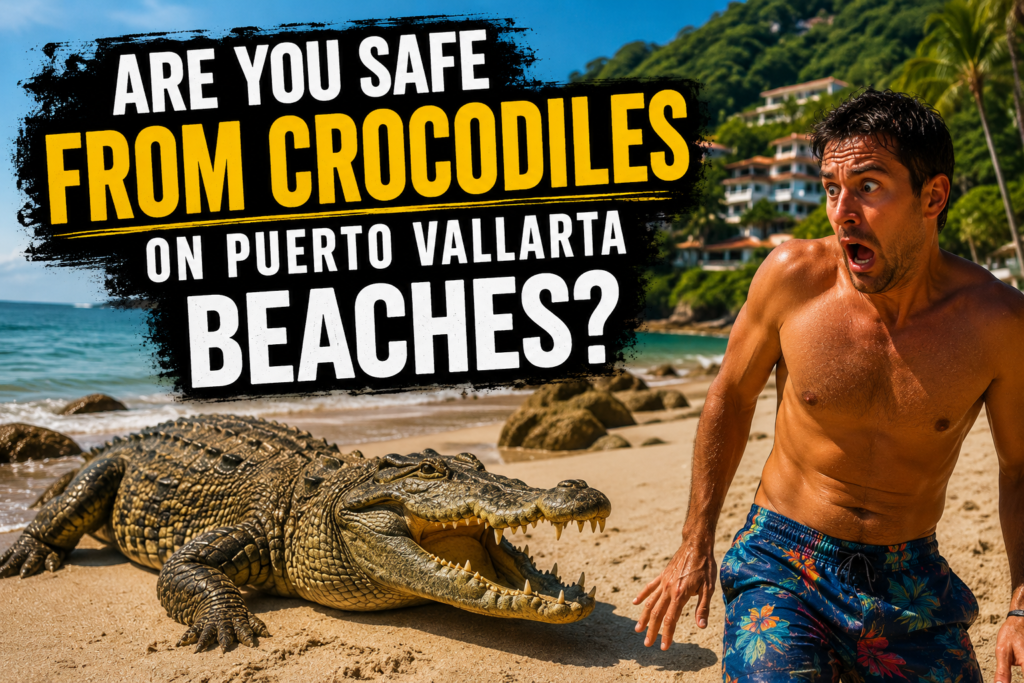
Are You Safe From Crocodiles on Puerto Vallarta Beaches?
If you’re planning a vacation to Puerto Vallarta, you’ve probably seen headlines or social media posts asking:
“Are there crocodiles on Puerto Vallarta beaches?”
It’s a fair question, especially after the recent crocodile attack that made international news.
The good news is that Puerto Vallarta remains a very safe beach destination, and millions of visitors enjoy its beaches every year without ever encountering a crocodile. Like many tropical destinations around the world, crocodiles are part of the natural ecosystem—but they are found in very specific habitats, not on most of the beaches tourists visit.
Understanding where crocodiles live, where they are occasionally seen, and which areas to avoid will help you enjoy your vacation safely and confidently.
Do Crocodiles Live in Puerto Vallarta?
Yes.
The American Crocodile (Crocodylus acutus) is native to Mexico’s Pacific coastline and has lived in the Puerto Vallarta region long before the city became one of Mexico’s most popular tourist destinations.
These reptiles naturally prefer:
- Rivers
- Lagoons
- Mangrove forests
- Estuaries
- Freshwater and brackish waterways
They are not ocean animals and generally avoid busy beaches with heavy human activity. Most crocodiles spend their lives in calm, protected waters where they can hunt fish, birds, and other wildlife.
Where Are You Most Likely to Encounter a Crocodile?
If you’re wondering where crocodiles are actually found, the answer is simple: near freshwater.
The areas where crocodiles are most commonly reported include:
- Boca de Tomates, near where the Ameca River meets the Pacific Ocean.
- Marina Vallarta, especially around its canals, lagoons, and nearby estuary.
- El Salado Estuary, a protected mangrove ecosystem that is home to crocodiles and many other native species.
- River mouths throughout the northern part of Banderas Bay, particularly after periods of heavy rain.
These locations provide the calm, shallow water and abundant food sources that crocodiles naturally seek. While they can occasionally be seen along nearby shorelines, they typically remain close to these freshwater habitats.
What About the Southern Beaches?
This is one of the most reassuring facts for visitors.
The beaches south of Puerto Vallarta—including Mismaloya, Boca de Tomatlán, Colomitos, Las Ánimas, Majahuitas, Quimixto, Yelapa, and Los Arcos Marine Park—are not connected to the mangrove estuaries and river systems where crocodiles usually live.
Instead, this coastline is bordered by the Sierra Madre mountains and the open waters of Banderas Bay. Because there are no significant mangrove habitats or estuaries along this stretch of coastline, crocodile sightings are exceptionally rare.
Visitors exploring these areas are far more likely to encounter:
- Tropical fish
- Sea turtles
- Dolphins
- Humpback whales (during the winter season)
- Rays
- Colorful marine life while snorkeling
This is one of the reasons many snorkeling and boat tours—including those operated by Black Pearl Vallarta—focus on Puerto Vallarta’s beautiful southern coastline.
What Happened in the Recent Crocodile Attack?
The recent crocodile attack understandably raised concerns among both residents and visitors.
The incident occurred near Marina Vallarta Beach, close to the mouth of an estuary and canal system where crocodiles are known to live. Authorities later located the crocodile near Boca de Tomates, an area that has long been recognized as one of Puerto Vallarta’s primary crocodile habitats.
Following the incident, local authorities increased monitoring and reminded the public to avoid swimming near river mouths, estuaries, and mangrove areas—particularly after heavy rainfall or during times when crocodiles are more active.
While this tragedy received worldwide media attention, it is important to understand the broader context.
Fatal crocodile attacks in Puerto Vallarta are extremely rare. Millions of tourists visit the city every year, and the overwhelming majority never see a crocodile at all.
The incident does not mean Puerto Vallarta’s beaches are unsafe. Instead, it serves as a reminder that wildlife should always be respected, especially in areas where crocodiles naturally live.
Which Areas Should Visitors Be Most Cautious Around?
There is no reason to avoid Puerto Vallarta’s beaches altogether. Instead, exercise extra caution in locations where crocodiles are known to occur naturally.
Remain especially aware when visiting:
- Boca de Tomates
- The Ameca River mouth
- Marina Vallarta’s canals and nearby shoreline
- El Salado Estuary
- Beaches immediately adjacent to river mouths
- Mangrove areas
- Freshwater outlets after heavy rain
It is also advisable to avoid entering the water near these habitats at dawn, dusk, or after dark, when crocodiles tend to be more active.
If warning signs are posted or authorities temporarily close a section of beach, always follow their instructions.
Is It Safe to Swim at Puerto Vallarta’s Popular Beaches?
Yes.
The vast majority of Puerto Vallarta’s beaches are considered safe for swimming, sunbathing, snorkeling, paddleboarding, and other water activities.
Popular beaches throughout the Hotel Zone, the Romantic Zone, Conchas Chinas, and especially the southern beaches continue to welcome thousands of visitors every day.
Local authorities actively monitor crocodile sightings, and when an animal is observed near a public beach, they respond quickly by warning the public, restricting access if necessary, and relocating the crocodile when appropriate.
Why Boat Tours Are One of the Best Ways to Explore the Bay
If you want to experience Puerto Vallarta’s coastline while avoiding the areas where crocodiles naturally occur, a guided boat tour is an excellent option.
The southern coastline offers some of the most spectacular scenery in Banderas Bay, including:
- Los Arcos Marine Park
- Hidden beaches
- Sea caves
- Crystal-clear snorkeling areas
- Tropical marine life
- Secluded coves accessible only by boat
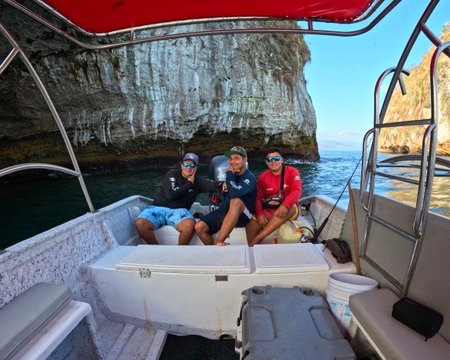
En Perla Negra Vallarta, our experienced local captains spend every day on these waters and know the bay inside and out. Our tours focus on the beautiful southern coastline, where visitors can safely enjoy snorkeling, swimming, wildlife viewing, and unforgettable ocean adventures. https://blackpearlvallarta.com/
Frequently Asked Questions
Are crocodiles common on Puerto Vallarta beaches?
No. Crocodiles are native to the region but are typically found near rivers, estuaries, mangroves, and lagoons—not on the beaches most tourists visit.
Which beach has the highest chance of seeing a crocodile?
Areas near Boca de Tomates, the Ameca River, Marina Vallarta, and El Salado Estuary have the highest likelihood of crocodile sightings because they are close to natural crocodile habitats.
Are Mismaloya and Los Arcos safe?
Yes. The southern coastline, including Mismaloya, Boca de Tomatlán, Colomitos, Las Ánimas, Quimixto, Yelapa, and Los Arcos Marine Park, is considered one of the safest areas for swimming and snorkeling because it is not connected to the estuaries and mangrove habitats where crocodiles are typically found.
Why did the recent attack happen?
The recent attack occurred near an estuary connected to known crocodile habitat. It was not at one of Puerto Vallarta’s southern beaches or snorkeling destinations. Authorities believe the crocodile was moving through its natural environment near the river system.
Should tourists be worried?
No. Visitors should simply stay informed, avoid swimming near river mouths and mangrove estuaries, obey warning signs, and respect local wildlife. Following these basic precautions allows millions of people to safely enjoy Puerto Vallarta every year.
Final Thoughts
Puerto Vallarta’s beaches remain among the most beautiful and enjoyable destinations in Mexico.
Yes, crocodiles are part of the region’s natural wildlife—but they are overwhelmingly associated with rivers, estuaries, lagoons, and mangrove ecosystems rather than the beaches where most visitors swim and relax.
By understanding where crocodiles naturally live, paying attention to local guidance, and choosing activities in the bay’s most popular recreational areas, you can enjoy everything Puerto Vallarta has to offer with confidence.
Whether you’re relaxing on the beach, snorkeling at Los Arcos, or exploring hidden coves along the southern coastline, a little awareness goes a long way—and your focus can stay where it belongs: creating unforgettable memories on one of Mexico’s most spectacular coastlines.