
Puerto Vallarta Weather Month by Month
Temperatures, rain, humidity, ocean conditions, what to pack, and the character of every month—so you can choose the Puerto Vallarta trip that feels right for you.
Climate averages describe typical patterns, not a forecast for a particular vacation. Always check the current forecast and marine conditions close to departure.
What is Puerto Vallarta’s weather really like?
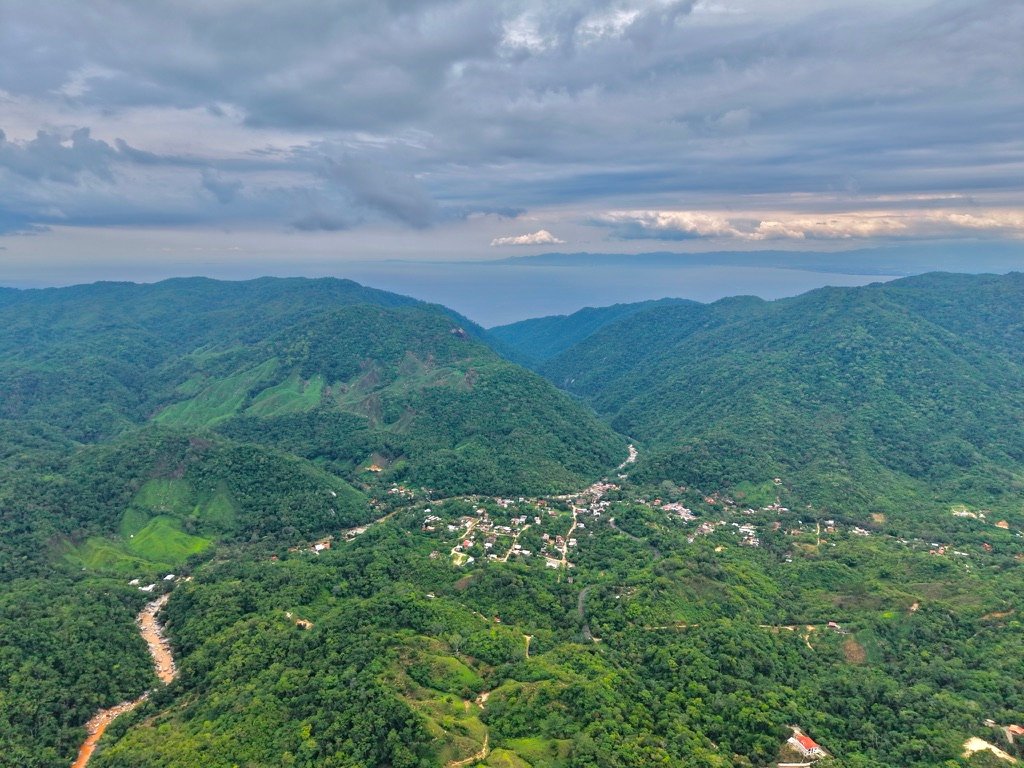
Puerto Vallarta is warm year-round, but the experience changes dramatically between the dry season and the lush summer rainy season.
Winter and spring usually bring lower humidity, very little rain, cooler mornings, and dependable beach weather. Summer and early fall feel hotter and more tropical, with warm water, vivid green mountains, impressive clouds, and frequent rain or thunderstorms.
“Rainy season” does not automatically mean an entire day is washed out. A common summer pattern is a bright morning, building clouds later in the day, and a strong afternoon, evening, or overnight shower. Some systems can still bring prolonged rain, rough seas, or changed tour plans.
Local planning tip: in wetter months, schedule your most important outdoor activity early, leave room for weather changes, and enjoy the spectacular tropical atmosphere rather than treating every cloud as bad news.
Dry season vs. green season
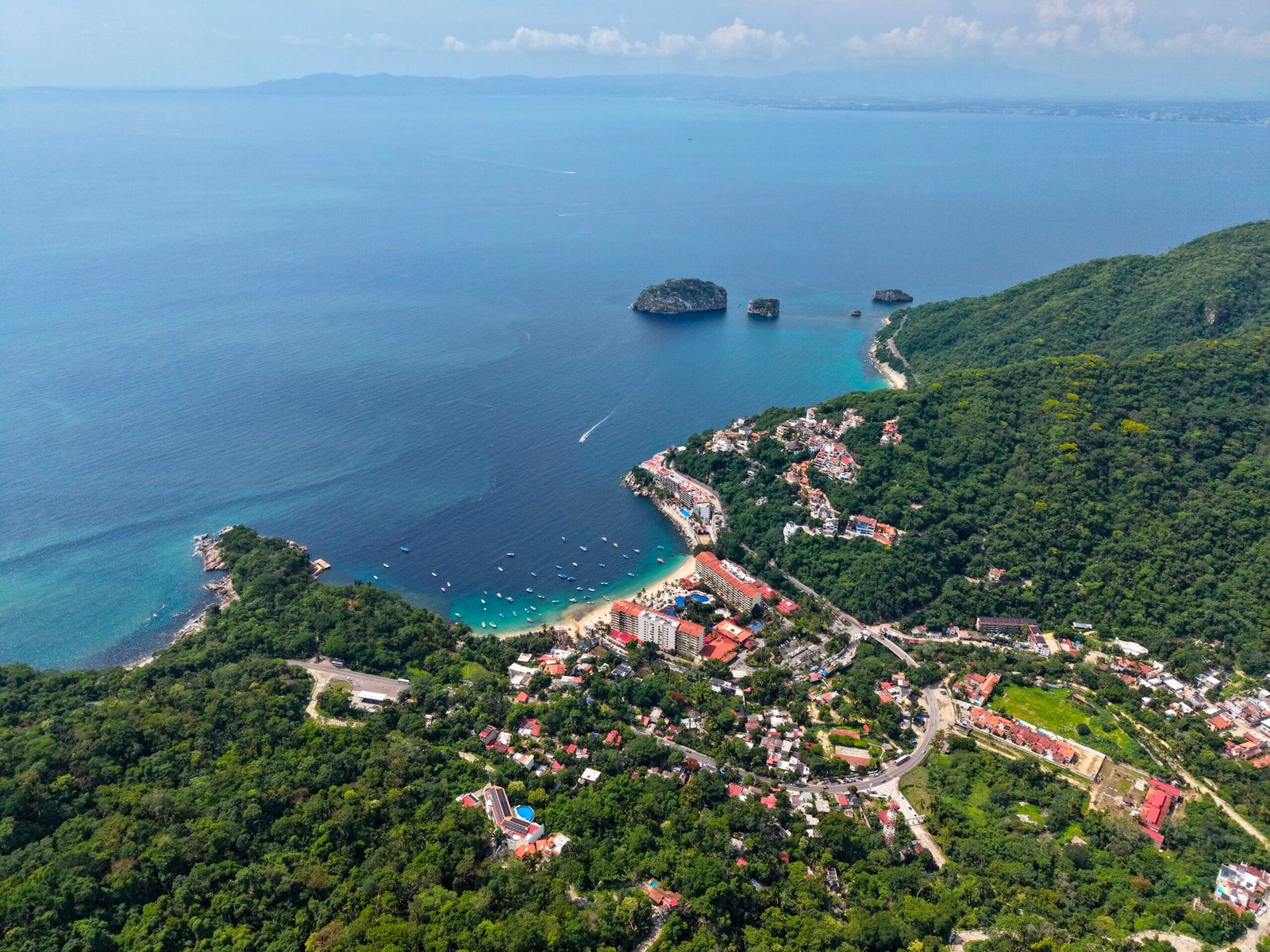
Both seasons can be beautiful. The better choice depends on whether you prioritize cooler, dependable weather or warm water, lush scenery, and a more tropical rhythm.
Dry season
Expect abundant sunshine, lower rainfall, more comfortable humidity, and cooler mornings—especially from December through March.
- Popular for first-time visitors and winter escapes
- Excellent for sightseeing, hiking, beaches, and boat trips
- Cooler water and breezier boat rides are possible in winter
- Higher visitor demand around holidays and peak winter weeks
Green season
Expect warm, humid weather, beautifully green mountains, tropical cloudscapes, very warm ocean water, and regular rain or thunderstorms.
- Sunny mornings are common even in the wettest months
- Excellent snorkeling days occur when the bay is calm and clear
- Afternoon and evening storms can be dramatic and beautiful
- Flexible plans matter during tropical weather
Average Puerto Vallarta temperature and rainfall by month
These historical averages come from the Puerto Vallarta airport weather station and are rounded for easy trip planning.
| Month | Avg. high | Avg. low | Avg. rainfall | Typical feel |
|---|---|---|---|---|
| January | 81°F / 27°C | 62°F / 17°C | 0.66 in / 17 mm | Dry, sunny, comfortable |
| February | 81°F / 27°C | 62°F / 17°C | 0.46 in / 12 mm | Dry and pleasantly warm |
| March | 82°F / 28°C | 63°F / 17°C | 0.23 in / 6 mm | Sunny, dry, gradually warmer |
| April | 83°F / 28°C | 65°F / 18°C | 0.07 in / 2 mm | Very dry and bright |
| May | 86°F / 30°C | 71°F / 22°C | 0.14 in / 4 mm | Hotter before the rains |
| June | 89°F / 32°C | 76°F / 24°C | 3.92 in / 100 mm | Hot, humid, turning green |
| July | 90°F / 32°C | 76°F / 24°C | 7.75 in / 197 mm | Sunny mornings, lush and tropical |
| August | 91°F / 33°C | 76°F / 24°C | 9.61 in / 244 mm | Warmest, wettest, intensely green |
| September | 90°F / 32°C | 76°F / 24°C | 8.36 in / 212 mm | Very warm, humid, rainy |
| October | 90°F / 32°C | 75°F / 24°C | 2.52 in / 64 mm | Warm with improving weather |
| November | 87°F / 31°C | 69°F / 21°C | 0.55 in / 14 mm | Warm, greener, increasingly dry |
| December | 82°F / 28°C | 64°F / 18°C | 0.24 in / 6 mm | Dry with cooler mornings |
Source basis: weather reports collected at Puerto Vallarta / Lic. Gustavo Díaz Ordaz airport during 1992–2021. Rainfall can vary sharply by neighborhood, elevation, and year. Fahrenheit values are the source averages; Celsius and millimeters are rounded conversions.
Puerto Vallarta weather by month
Use the quick links or browse the full calendar to compare atmosphere, comfort, rain, ocean experiences, and the best way to plan each month.
January
81° / 62°FJanuary offers warm afternoons, cooler mornings, low rainfall, and comfortable humidity. A light layer can feel good before sunrise or on the boat after sunset.
It is one of the most dependable months for beaches, sightseeing, fishing, and South Shore boat tours. Winter swells and breezes can still affect individual days.
Mejor para: winter sun, outdoor adventures, whale-season trips, and travelers who dislike intense heat.
February
81° / 62°FFebruary closely resembles January: sunny, dry, and pleasantly warm by day, with fresh mornings and evenings.
The ocean is generally near its coolest annual range, so some swimmers appreciate a rash guard. Conditions can be wonderful for a full day outdoors without peak-summer humidity.
Mejor para: couples, active itineraries, boat tours, wildlife outings, and long lunches by the beach.
March
82° / 63°FMarch stays very dry while afternoons begin to warm. It remains comfortable for exploring town, hiking, beaches, and time on the water.
Holiday and school-break periods can increase demand. Book small-group tours ahead and protect yourself from strong tropical sun even when the air feels mild.
Mejor para: reliable sunshine, active vacations, late winter wildlife opportunities, and family trips.
April
83° / 65°FApril is typically one of the driest months. Expect bright days, warmer afternoons, and very little interruption from rain.
The hills are often more golden than green late in the dry season. Easter travel can make beaches and roads busier, so timing and reservations matter.
Mejor para: sun seekers, beach days, private boat trips, and travelers wanting heat without midsummer humidity.
May
86° / 71°FMay is the bridge between seasons. Temperatures and humidity climb, but widespread summer rain often has not fully developed.
Plan strenuous activities early, hydrate often, and seek shade at midday. The first dramatic clouds or isolated showers may hint that the green season is close.
Mejor para: warm-weather lovers, quieter travel, early boat departures, and long ocean days.
June
89° / 76°FJune often delivers the seasonal transformation. Heat and humidity are high, the first substantial rains arrive, and the jungle begins turning vivid green.
Mornings can remain bright and useful for tours. Downpours may be powerful but refreshing; roads and sea conditions can change quickly during stronger weather.
Mejor para: tropical scenery, photographers, warm water, fewer crowds, and flexible travelers.
July
90° / 76°FJuly can be spectacular: bright mornings, rich green mountains, clean-looking tropical light after rain, warm water, and dramatic afternoon or evening storms.
On calm days, early snorkeling around the South Shore can be beautiful. Because rain, runoff, swell, and visibility vary, let a local captain choose the time and location.
Mejor para: lush scenery, warm-water snorkeling, summer energy, storm watching from a safe place, and value-conscious travel.
August
91° / 76°FAugust is usually the warmest and wettest month, yet it can still offer gorgeous sunny mornings, glassy-looking water, saturated green landscapes, and unforgettable tropical skies.
The ocean is warm and can be calm and clear enough for excellent early snorkeling. Storms and runoff can also reduce visibility, so flexibility is part of the experience.
Mejor para: warm ocean lovers, green-season beauty, snorkeling when conditions align, and travelers who enjoy dramatic weather.
September
90° / 76°FSeptember remains very warm, humid, and wet. It can be peaceful and beautifully green, but it demands the most flexibility from outdoor travelers.
Monitor tropical forecasts closely, choose refundable plans where possible, and expect some businesses to reduce hours. Beautiful mornings still occur between weather systems.
Mejor para: quiet escapes, lush scenery, warm water, slower travel, and visitors comfortable adapting plans.
October
90° / 75°FOctober is a transition month. Early October can still feel like September, while later weeks may bring noticeably longer dry stretches.
The landscape remains green and the ocean warm. Tropical systems are still possible, so forecasts and marine advisories remain important even as average rainfall falls.
Mejor para: warm seas, green scenery, improving late-month weather, and flexible shoulder-season trips.
November
87° / 69°FNovember often combines some of the year’s best qualities: much less rain, warm ocean water, greener scenery than spring, and more comfortable nights.
Early-month tropical weather is still possible, but conditions generally trend drier. It is an attractive period before the busiest winter holiday weeks.
Mejor para: warm-water activities, green views, shoulder-season travel, and broad outdoor itineraries.
December
82° / 64°FDecember brings the return of cooler mornings, warm sunny afternoons, low rainfall, and a festive high-season atmosphere.
Bring a light layer for dawn and evening boat rides. Christmas and New Year are extremely popular, so reserve lodging, dining, and tours well ahead.
Mejor para: holiday escapes, comfortable weather, boat tours, family travel, and the beginning of whale season.
Why July and August can be wonderful
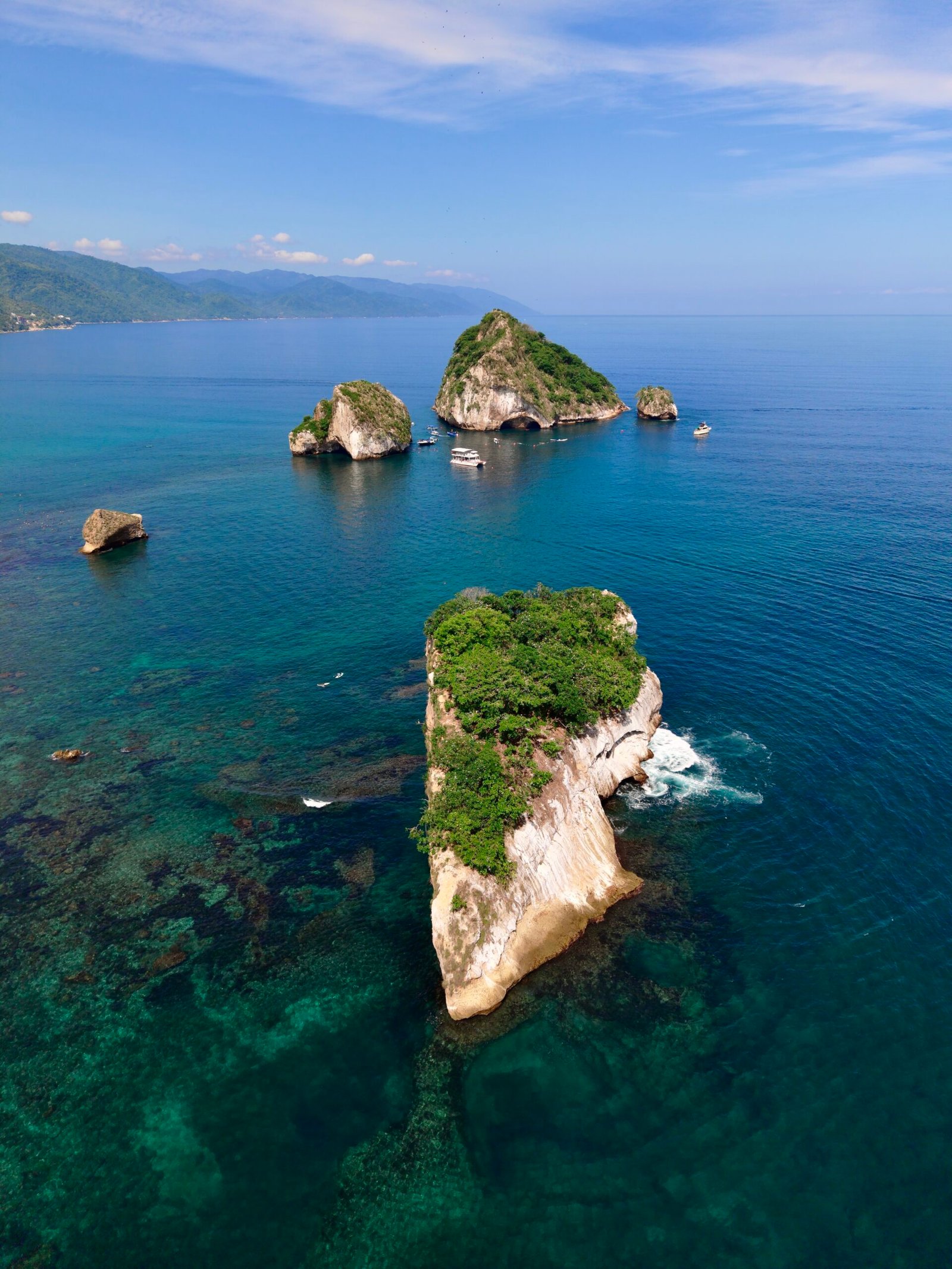
Rain totals alone do not tell the whole story. July and August can start with brilliant sunshine and calm water before tropical clouds build later. Rain washes the landscape, feeds waterfalls, and turns the South Shore intensely green.
The ocean is warm, and there are days when the bay is calm, clean-looking, and clear enough for excellent snorkeling. The smartest approach is an early departure and a flexible local crew that evaluates wind, swell, runoff, storms, and visibility that morning.
No season guarantees calm seas or clear water. Never enter the ocean during lightning, unsafe surf, or against local instructions.
When is the best time to visit Puerto Vallarta?
There is no single best month for everyone. Start with the experience you want most.
Most dependable dry weather
December through April usually provides the strongest combination of sunshine, lower rain, and comfortable humidity.
Warmest water
Late summer through fall generally brings the warmest sea, with November often offering a pleasant weather-and-water balance.
Greenest scenery
July through October delivers dense tropical color, waterfalls, dramatic skies, and the Sierra Madre at its lushest.
Cooler outdoor comfort
January through March suits travelers who want warm days without the heaviest heat and humidity.
Rain, thunderstorms, and hurricane season
The official eastern Pacific hurricane season runs from May 15 through November 30. That calendar describes the wider ocean basin; it does not mean Puerto Vallarta is under direct threat for six and a half months.
Most tropical cyclones never make a direct impact on the city, but distant or nearby systems can still produce heavy rain, lightning, wind, high surf, port restrictions, flooding, or tour cancellations. Activity varies substantially from year to year.
Smart storm-season planning
- Check Mexico’s official weather information and the National Hurricane Center as your trip approaches.
- Use reputable accommodation and tour providers that communicate clearly about changing conditions.
- Read cancellation and travel-insurance terms before booking.
- Never swim, snorkel, paddle, or shelter under an isolated tree during lightning.
- Respect red flags, port closures, civil-protection notices, and your captain’s decision.
- Remember that a sunny sky at your hotel does not guarantee safe offshore conditions.
Important: marine safety decisions are based on current conditions—not monthly climate averages or a weather app icon.
What to wear and bring
Dry season
- Light, breathable daytime clothing
- Light sweater or jacket for winter mornings and boat rides
- Hat, sunglasses, and high-SPF sun protection
- Rash guard if you get cold in the water
- Comfortable walking shoes or sandals
Green season
- Quick-drying, breathable clothing
- Compact rain layer or umbrella
- Water-resistant bag or phone pouch
- Secure footwear with traction
- Extra dry shirt for strong air conditioning
Every month
- Reusable water bottle
- Reef-conscious personal products
- Swimsuit and towel
- Insect repellent, especially in greener months
- Essential medication and travel protection
Puerto Vallarta weather FAQs
What is the best month to visit Puerto Vallarta?
For reliably dry, comfortable weather, many visitors choose January through April. For warm ocean water and green scenery, November can offer an attractive balance. July and August can also be beautiful for travelers who enjoy sunny mornings, lush landscapes, warm water, and dramatic tropical storms.
When is the rainy season in Puerto Vallarta?
The wetter season generally runs from June through October, with July, August, and September receiving the highest average rainfall. Daily patterns vary, and rain often falls in strong afternoon, evening, or overnight bursts rather than lasting all day.
Does it rain all day in July and August?
It can during an organized weather system, but not necessarily. Many summer days begin sunny or partly sunny before clouds and storms develop later. Plan outdoor activities early and keep the rest of the day flexible.
Are July and August good for snorkeling?
They can be excellent when the bay is calm and visibility is good. The ocean is warm, and early mornings can be beautiful. Recent rain, river runoff, swell, wind, and storms can reduce clarity or make an area unsafe, so use a local captain’s current assessment.
What is the hottest month in Puerto Vallarta?
Based on 1992–2021 airport averages, August has the highest average daytime high at about 91°F (33°C). July, September, and October are close, and humidity can make these months feel hotter.
What is the coldest month?
January is the coolest month by overall average, with typical highs around 81°F (27°C) and lows around 62°F (17°C) at the airport. Coastal neighborhoods are warm, but dawn and evening boat rides may feel cool.
When is the ocean warmest?
The water is generally warmest from late summer into fall and coolest near the end of winter. Exact temperatures and local comfort vary with currents, wind, depth, and weather.
When is hurricane season in Puerto Vallarta?
The official eastern Pacific hurricane season is May 15 through November 30, with most basin activity historically occurring between late June and early October. A season date is not a landfall forecast; monitor official advisories for actual risks.
Can boat tours operate during rainy season?
Yes, many tours operate throughout the green season, especially during favorable morning conditions. Captains may change the departure time, route, activity, or date when lightning, wind, swell, visibility, port restrictions, or other safety concerns arise.
How accurate is a forecast months in advance?
A long-range forecast cannot reliably describe the weather at a specific hour on your vacation. Use climate averages for seasonal planning, then check a detailed forecast and official marine information in the final days before each activity.
Weather changes the plan—not the possibility of adventure
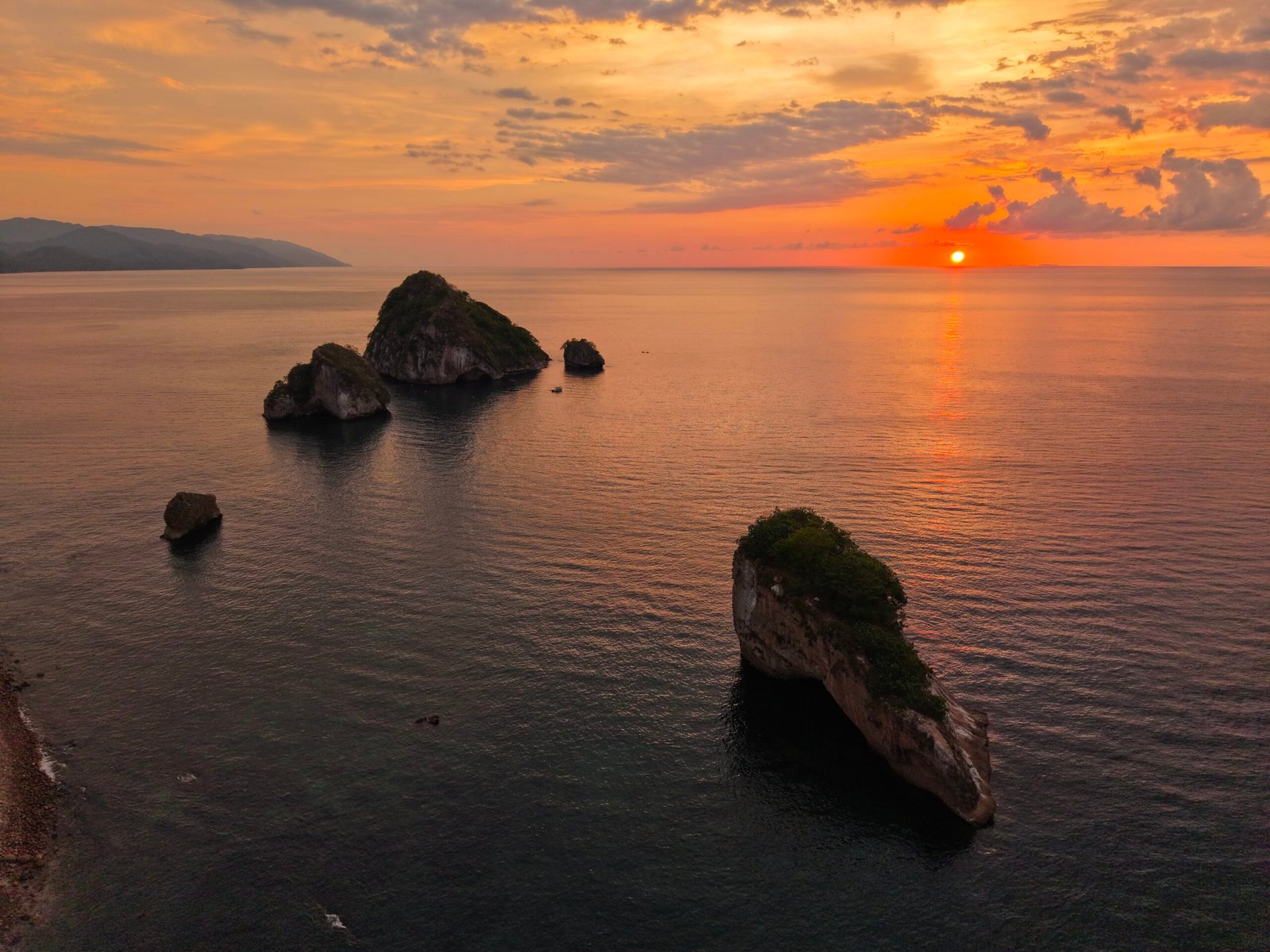
A skilled local crew knows how the South Shore, Los Arcos, Mismaloya, and Banderas Bay respond to changing wind, rain, swell, and visibility.
That matters in every month. Winter can bring breezy or choppy days; summer can bring stunning calm mornings before a storm. The safest and most enjoyable outing is the one adapted to the conditions actually happening.
See the best of Puerto Vallarta in every season
Tell Black Pearl Vallarta when you are visiting, and we will help you choose an ocean adventure that fits the season, your group, and the latest local conditions.
Departure times, routes, and water activities may change when weather or marine conditions require it.